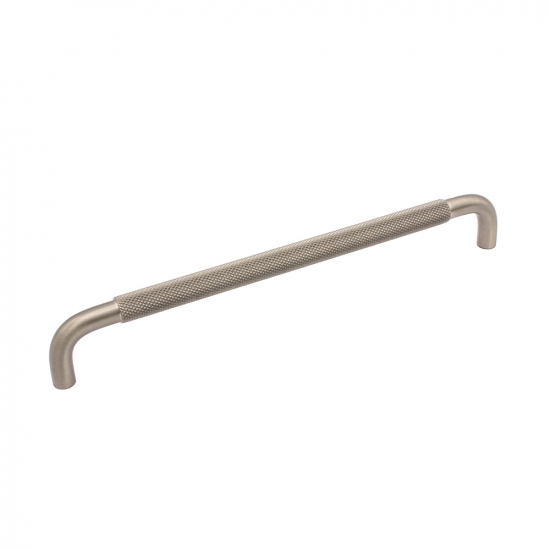
 Retro
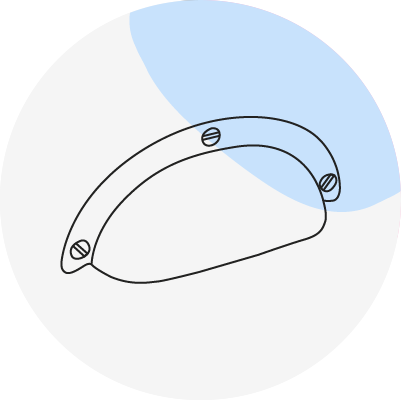 Country
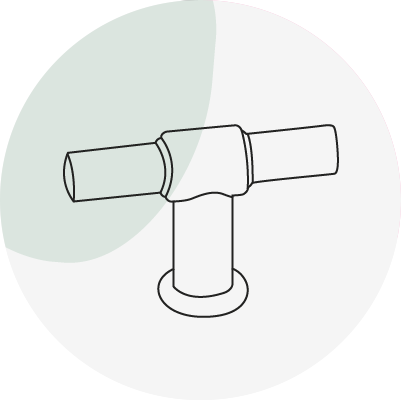 Modern



How do rust and stains form on stainless steel?
You may be wondering why stainless steel rusts. There is no simple answer, but several factors can contribute:
- Products are placed in environments where they are exposed to air pollution, salt solutions or very high chlorine levels.
- The product has a rough surface finish that makes it easier for corrosive substances to cling to it.
- Corrosive substances can be found in drain cleaners and toilet cleaners, among other products. Corrosion is a way for the metal to rid itself of the corrosive substances that have attacked it. Corrosion is what we call rust.
- Stainless steel products are placed in confined spaces where moisture lingers.
- The screw is made of ordinary steel or is in direct contact with unalloyed steel.


How to prevent rust and stains on stainless steel
Of course, you want your new products to look good for a long time. We recommend the following to prevent rust and stains:
- Consider moisture and air pollutants, such as soot, sulfur oxide or saltwater, when choosing where to place your stainless steel fittings.
- Use screws made from the same grade of stainless steel as the product. The screws we supply are specially selected for each product.
- Skip the cleaning products; plain water works best.
- Use clean tools for installation that are free from ordinary unalloyed steel residue (mild steel or carbon steel), such as shavings and iron particles.
- Avoid wire brushes and steel wool made from unalloyed steel.
- Avoid abrasive blasting with ordinary steel grit or sand.


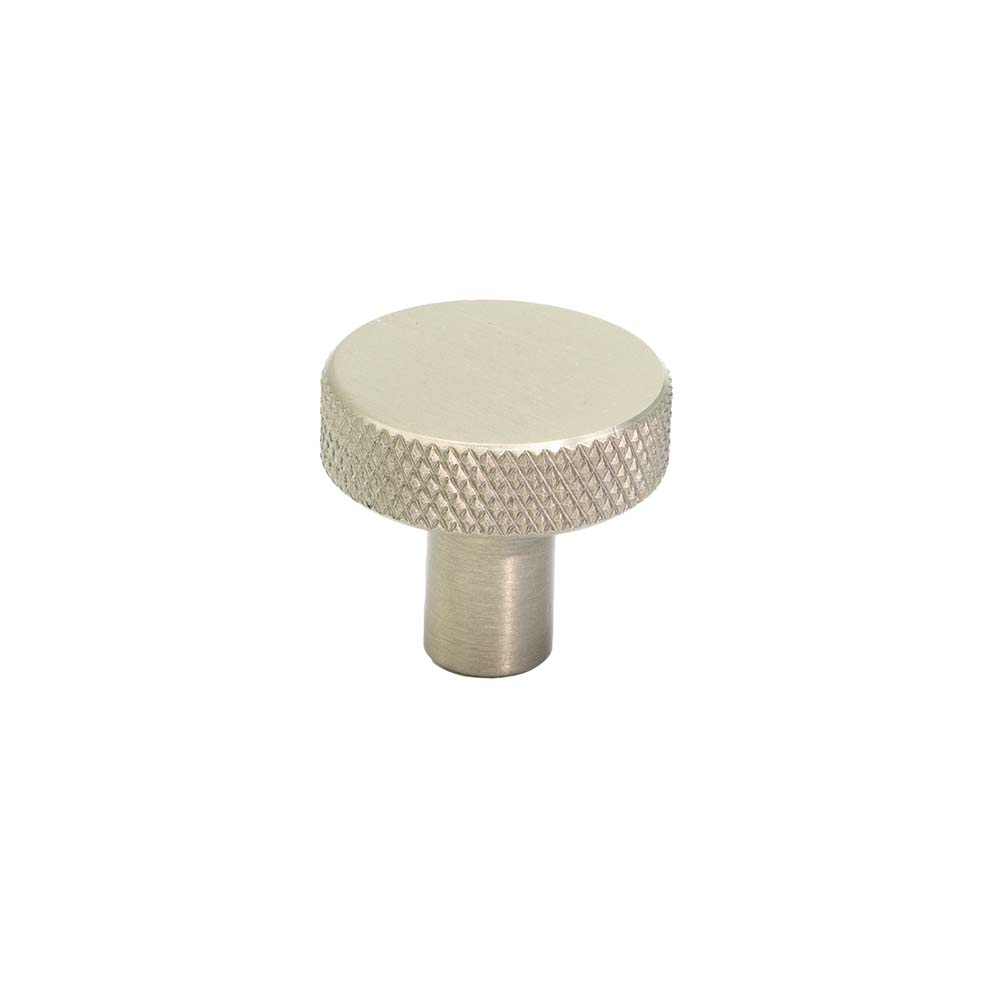

How to remove stains and discoloration from stainless steel
If your stainless steel product has stains or discoloration that cannot be removed with a damp cloth, we recommend the following cleaning methods:
- Clean the product with a solvent, such as thinner or acetone. Then rinse thoroughly with cold water and wipe with a clean cloth or towel until the product is completely dry.
- Use a mildly abrasive cleaner, such as scouring powder. If the product has a visible surface grain, we recommend rubbing in the same direction. Then rinse with clean, cold water.
- Use a 10 percent phosphoric acid solution, then rinse with a diluted ammonia solution and once more with clean, cold water. Phosphoric acid is usually sold at a concentration of 80–85 percent, so it needs to be diluted with water before use.
- Rub gently with a cleaning sponge that is soft on one side and slightly more abrasive on the other. Follow any visible surface grain. Then rinse with clean, cold water.
After any cleaning, it is important to wipe with a clean towel until the product is completely dry. As a rule of thumb, avoid hot water as it can start a chemical reaction on the product – use cold water!
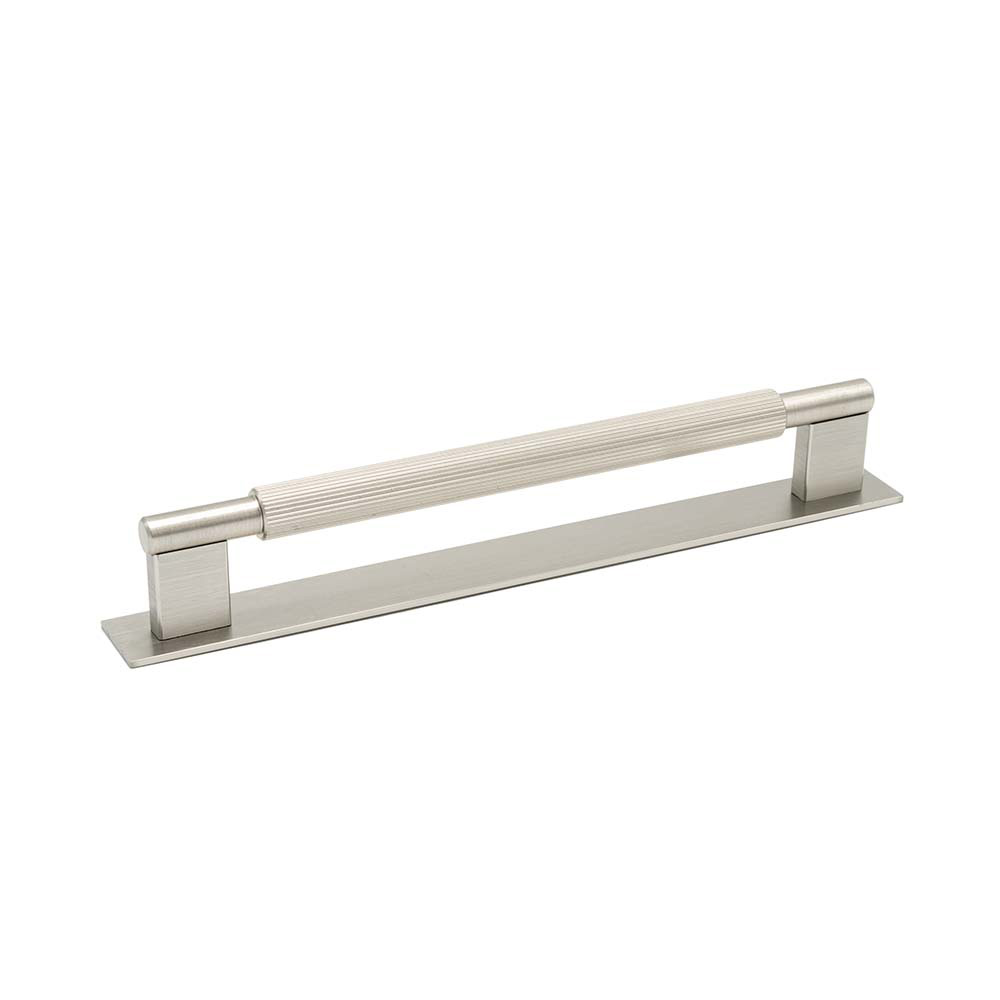


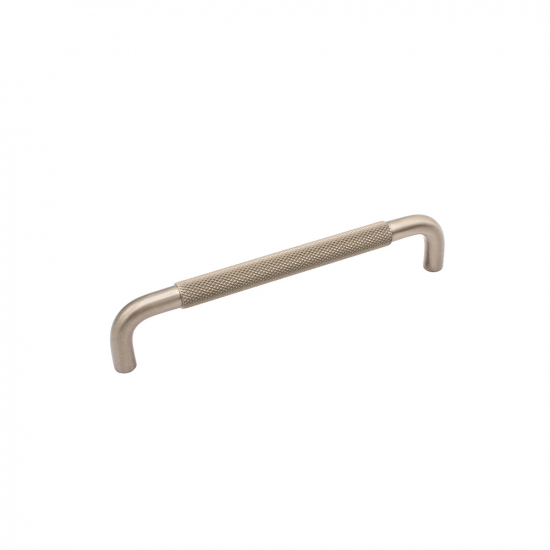
How to clean brushed stainless steel
If the product has a visible grain, such as brushed steel, the direction matters. Rub gently in the direction of the grain with a soft cleaning sponge, then rinse with clean, cold water and wipe with a clean towel until the product is completely dry. Avoid steel brushes and non-alloy steel wool.

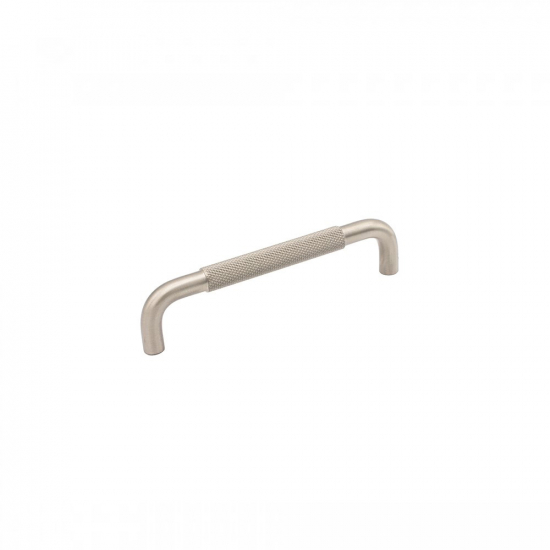
See the full stainless steel range: stainless steel handles, stainless steel knobs and stainless steel hooks.